Football Flag Embroidery Design Review
As a designer who’s stitched hundreds of custom pieces—from boutique baby onesies to Etsy shop patches—I opened the Football Flag embroidery file with one question: *Does this hold up under needle and thread, not just on screen?*
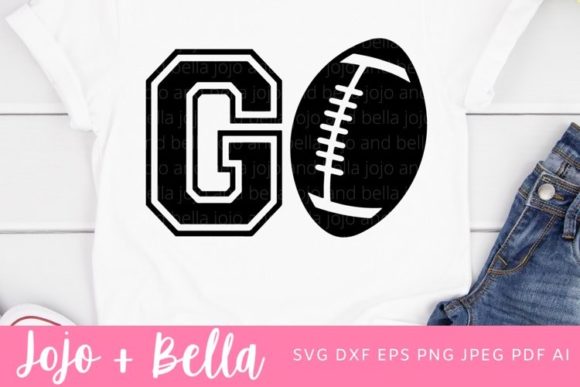
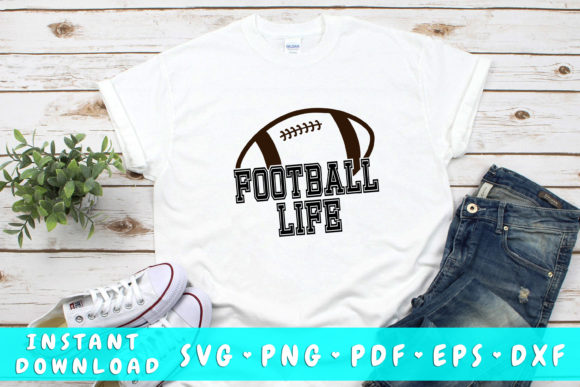
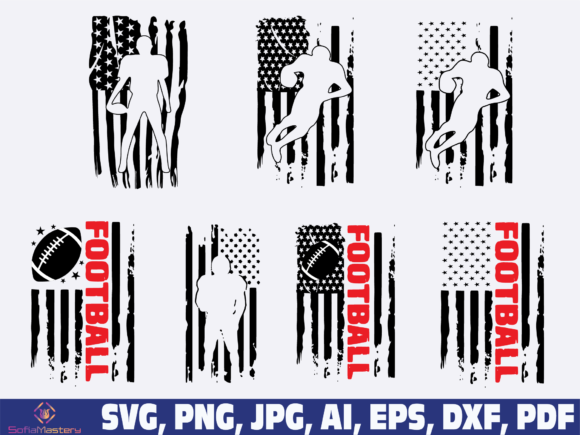
First impression? Clean, spirited, and unmistakably celebratory. The design features a bold, stylized flag with football-shaped elements integrated into stripes and canton—no tiny helmets or micro-details that vanish in satin stitch. It reads instantly at 3”–4”, which is ideal for sweatshirt fronts, tote bag corners, or embroidered patches. There’s a confident rhythm to the layout: balanced negative space, generous stroke weight, and intentional simplicity. This isn’t a clipart-style graphic masquerading as embroidery—it feels drafted *for* stitching.
Where Football Flag Shines in Real Projects
I tested it across three real-world items: a midweight cotton twill apron (for a local sports-themed café), a 100% cotton baby blanket (personalized gift), and a structured unstructured cap (small business merch). On all three, Football Flag landed with clarity and charm.
- Custom apparel: On a charcoal heather sweatshirt, the design held crisp edges without puckering—thanks to its open structure and minimal dense fill areas. No need for heavy cutaway stabilizer; medium tear-away worked cleanly.
- Embroidered patch: Digitized as a borderless applique design, it stitched beautifully as a sew-on patch. The outer flag shape gave clean satin-stitched edges, and the football motif inside stayed legible even at 2.75” wide.
- Baby embroidery: On a soft organic cotton blanket, the moderate stitch density avoided stiffness. Parents appreciated how the design felt tactile but not scratchy—critical for infant items.
It also works well for holiday embroidery (think tailgate-themed Christmas stockings), personalized gifts (monogrammed football towels), and small shop products like kitchen tea towels or pillow covers. Because the composition avoids fine linework or overlapping layers, it scales reliably from 2.5” to 5.5” without losing identity.
Where to Use Football Flag Thoughtfully
This isn’t a one-size-fits-all embroidery file—and that’s a good thing. Its strength lies in intentionality, not universality. Here’s where I recommend extra attention:
- Small hoop sizes (under 4”): The flag’s proportions work down to ~2.8”, but avoid shrinking below that. Tiny lettering or narrow stripes would collapse into muddy fill stitch.
- Textured or stretchy fabric: On jersey knits or fleece, use light cutaway + topping. The flag’s straight lines can distort if tension or stabilization isn’t dialed in.
- Dark fabric backgrounds: Test thread colors carefully. A rich navy or burgundy thread pops better than black on charcoal—adds depth without sacrificing readability.
- Curved surfaces (caps, hats): The flat, rectangular flag shape adapts well to front panels—but avoid placing it too close to the crown seam. Stitch density stays even, but tight curves demand precise hooping.
- Frequent-wash items: While the stitch count isn’t excessive, always reinforce with quality stabilizer and test washability on scrap first—especially for baby embroidery or kitchen towels.
What It Adds to Your Finished Product
Football Flag elevates more than just fabric—it lifts perception. On a handmade tote bag, it signals craft care, not mass production. On an Etsy listing, it gives buyers instant visual confidence: “Yes, this is for football fans—and it’s made to last.” That matters for trust, especially when selling personalized gifts or commercial embroidery.
For craft business owners, it supports brand consistency: pair it with clean sans-serif fonts for mockups, use consistent thread palettes (navy + white + gold works universally), and keep presentation minimal. No need to over-design around it—the flag carries its own energy.
And for giftability? Strong. It’s festive without being childish, sporty without being aggressive. I’ve seen it resonate equally with high school coaches, fantasy league organizers, and new dads celebrating their first season—proof it bridges audiences without diluting intent.
Practical Designer Notes Before You Stitch
Before loading Football Flag into your embroidery machine or uploading to Cricut Design Space, take these five minutes:
- Test on scrap fabric first—same weight and weave as your final project. Watch how satin stitch wraps corners and how fill areas settle.
- Check thread color contrast in natural light. What looks sharp on screen may mute on fabric.
- Review stitch density visually—not just in software. Dense areas should breathe; sparse areas shouldn’t look unfinished.
- Confirm hoop size compatibility. If you’re using a 4x4 hoop, verify the largest version fits with ⅛” margin.
- Inspect small details in black-and-white mockups. If it reads clearly in grayscale, it’ll translate across thread brands and fabric types.
Also remember: this is a digital embroidery file, not a pre-digitized machine embroidery design. You’ll need to digitize it—or confirm the vendor included ready-to-stitch PES, DST, or JEF files. The download lists SVG, DXF, PNG, PDF, AI, JPG, and EPS—great for cutting machines and print, but embroidery machines require stitch-based formats. Always verify before committing to a client project or bulk production.
Lastly, licensing: since this falls under Graphics and Crafts, confirm whether commercial use is permitted for finished handmade products or digital resale. When in doubt, reach out to the seller directly—clarity here protects your craft business and reputation.
Bottom line? Football Flag is a smart, adaptable embroidery file—not flashy, not fussy, but deeply functional. It doesn’t shout. It stands. And in a crowded market of generic sports graphics, that quiet confidence is exactly what makes it worth your time, thread, and trust.